
Pakistan’s financial support system for low-income families is going through an important phase in 2026. The government is improving access, increasing transparency, and preparing for a higher quarterly payment under the Benazir Income Support Programme.
This article explains the latest 8171 portal updates, current payment reality, upcoming Rs. 19,500 plan, and how you can check your status easily – all in simple, clear language.
Latest 2026 Update – What You Should Know First
Right now, many people are confused about the payment amount. Here is the real and verified situation:
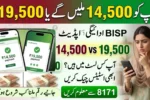
- Current payments (2026): Around Rs. 13,500 to Rs. 14,500
- Proposed increase: Rs. 19,500 per quarter
- Expected implementation: Likely from early 2027
- Expansion target: Over 10 million families
👉 This means the increase is confirmed in planning, but not fully implemented yet in 2026.
8171 Portal – How It Helps You
The 8171 Web Portal is the easiest way to check your eligibility and payment details from home.

What You Can Do on the Portal
- Check eligibility using CNIC
- View payment status
- Confirm registration
- Avoid fake agents and scams
Step-by-Step Check Method
- Open the official 8171 portal
- Enter your 13-digit CNIC
- Fill captcha code
- Click submit
- See your result instantly
💡 Tip: Always use your own SIM registered on CNIC for accurate results.
Who Can Receive Financial Support?
This program mainly targets deserving and low-income households across Pakistan.
Eligible Families
- Registered in NSER survey
- Monthly income below poverty level
- Women-led households
- No large assets or vehicles
- Valid CNIC from NADRA
Not Eligible If
- You own expensive property or vehicles
- You are a high-salary government employee
- You frequently travel abroad
- Your survey data is outdated
Payment Structure Comparison
| Year | Quarterly Amount | Status |
|---|---|---|
| 2025 | Rs. 13,500 | Implemented |
| 2026 | Rs. 13,500–14,500 | Ongoing |
| 2027 | Rs. 19,500 | Expected |
This gradual increase shows the government’s plan to adjust support according to inflation.

How to Register for BISP in 2026
If you are not already part of the program, follow this simple process:
Registration Steps
- Visit nearest BISP Tehsil Office
- Bring:
- Original CNIC
- Children’s B-Form
- Complete NSER Dynamic Survey
- Wait for verification SMS from 8171
📌 There is no online registration form—only survey-based inclusion.
Common Mistakes That Cause Rejection
Many families get disqualified due to small but critical errors:
- Expired CNIC
- Incorrect family information
- Not updating NSER survey
- Ignoring official SMS alerts
Fixing these issues can significantly improve your chances.

Why Payment Increase Matters
The planned increase to Rs. 19,500 is not random. It is based on:
- Rising inflation in Pakistan
- Higher utility and food costs
- Shift from subsidies to direct cash support
- Focus on helping women-led households
This approach ensures money directly reaches deserving families, instead of being lost in general subsidies.
Smart Tips for Beneficiaries
To avoid delays or fraud, keep these points in mind:
- Always check status through official 8171 system
- Never pay agents or middlemen
- Keep your NSER data updated every 2–3 years
- Withdraw money from authorized banks only
- Save all official SMS messages
Final Thoughts
The 8171 system is becoming more transparent and user-friendly in 2026. While the Rs. 19,500 payment is a major upcoming relief, current beneficiaries should stay informed and keep their records updated to avoid missing future payments.

For now, the best step is simple:
👉 Check your status regularly and ensure your data is correct.
FAQs
How can I check my BISP payment status?
You can check through the 8171 portal or by sending your CNIC to 8171 via SMS.
Is Rs. 19,500 payment started in 2026?
No, it is expected to start from 2027.
Can I apply online for BISP?
No, registration is done through the NSER survey at BISP offices.
What documents are required for registration?
Original CNIC and children’s B-Form.
Why is my payment delayed?
It may be outdated survey data, verification issues, or CNIC problems.